- Mar 12
Why Using Multiple Journals for Memory Keeping Actually Works
- Memory Keeping
- 0 comments
For a long time, my creative practice has often been presented as something that should fit neatly into a single format. One journal. One album. One way of working. One system that is supposed to be the right one.
That approach never worked for me.
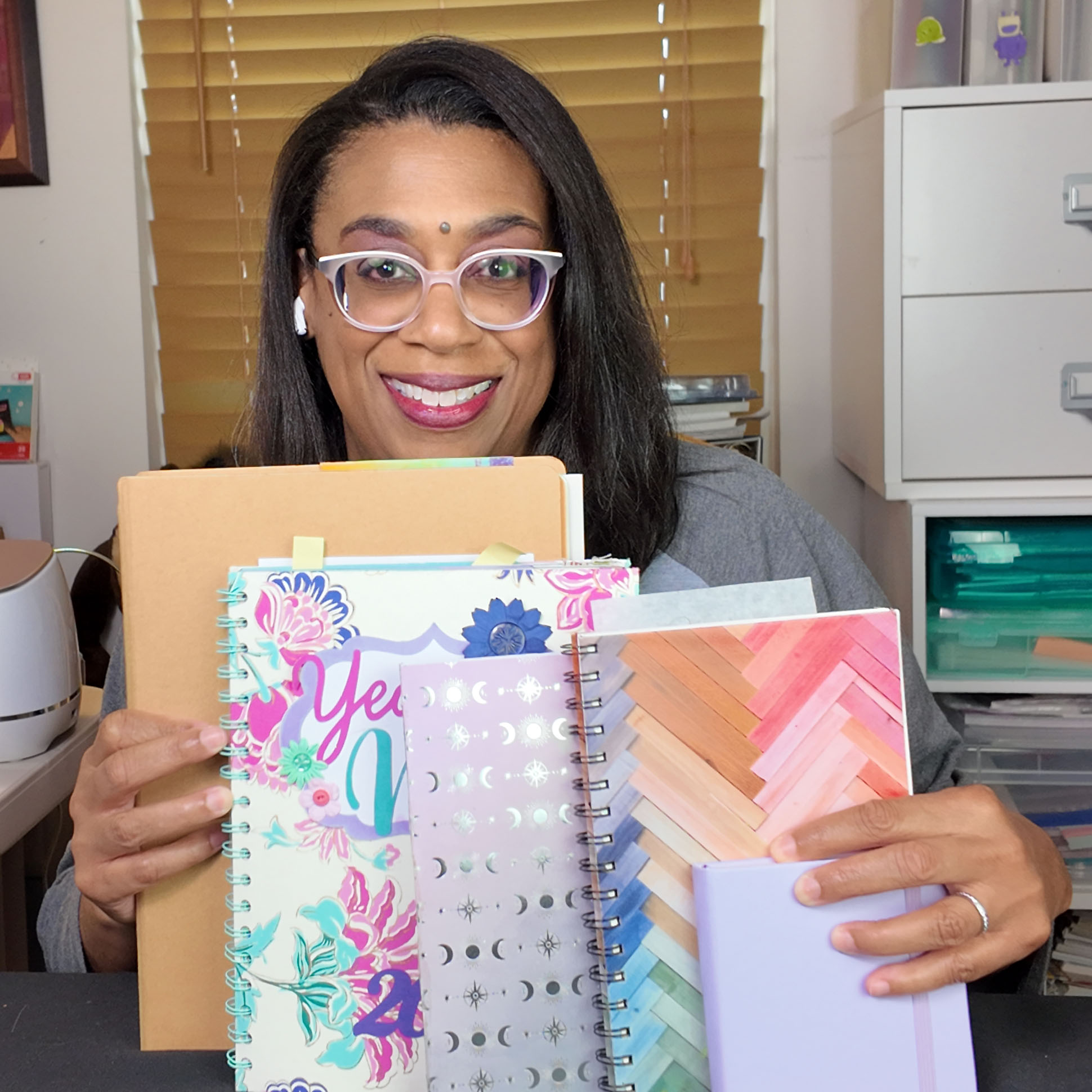
Over time, I’ve noticed that different creative projects seem to ask for different kinds of containers. There are days when I want a space to document a memory, and others when I need somewhere to test an idea without worrying about the result. Sometimes a journal that feels practical and structured is what serves me best. Other times, I’m drawn to something more loose and experimental.
This may seem a bit disorganized. But it's really about noticing what each project is asking for. In fact, some level of creative flexibility is completely normal. Going with the flow and following where the Muse takes you can actually open the door to unexpected discoveries and new ideas. Embracing this flexibility means you don't have to feel guilty about not working in just one way.
This thinking has become one of the most significant shifts in how I approach memory keeping. I no longer feel that everything needs to fit into a single, prescribed format. Different books, journals, and albums can each support different kinds of reflection, expression, or preservation.
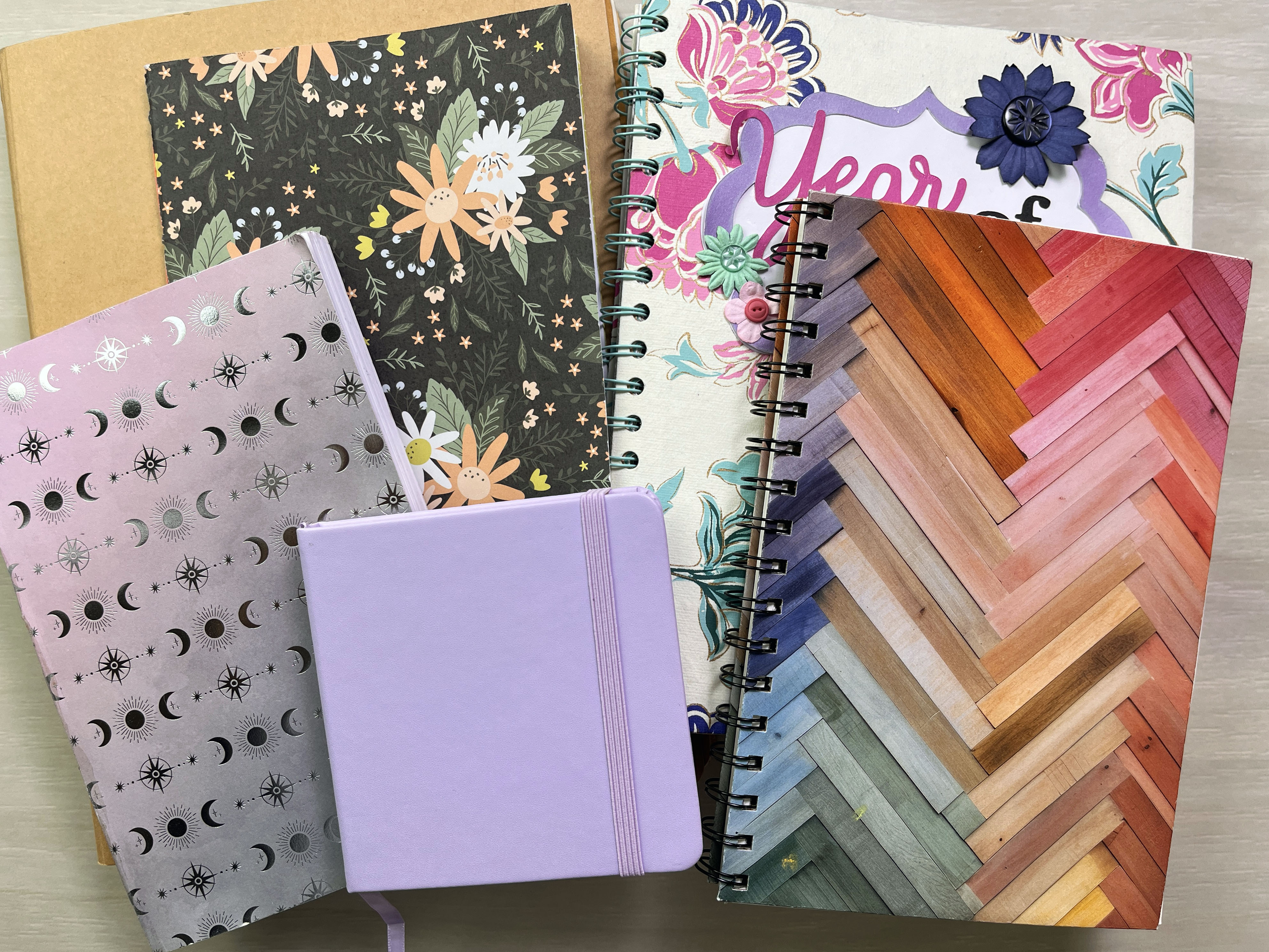
A sketchbook might hold visual experimentation.
An art journal might give you room to play with mood, texture, and emotion.
A handmade journal might be perfect for a specific project or season.
A memory-keeping journal might help you document everyday life more intentionally.
None of these containers is better or worse than the others. Each simply serves a different purpose.
It’s easy to assume you need to find the perfect journal, the perfect system, or the perfect format before you can start. This is where people get stuck and freeze. Instead, try making it simple, and ask: what am I hoping to explore, express, or preserve? And then, what’s the best format to express this?
Starting a project this way can create a sense of freedom. It allows you to stop forcing every idea into the same structure and relieves some pressure you may feel about starting..
This is part of what the Pages in Progress™ system means to me: building a creative practice that feels more personal, flexible, and meaningful.
In my latest video, I share the multiple-journal setup that supports my creative projects and explain why I use different formats for each one. It’s a look at the creative containers in my current system and how I use them in practice.
Do you use multiple journals?